Zirconia ceramic ferrule connectors are now playing a key role in optical networks by helping to keep back reflection low. These connectors use high-quality zirconia material that offers precise alignment and strong durability. This ensures light signals stay stable as they move through fiber optic systems.
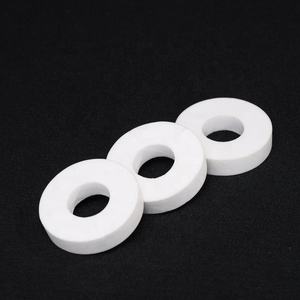
(Zirconia Ceramic Ferrule Connectors Ensure Low Back Reflection in Optical Networks)
Back reflection happens when light bounces back toward its source. Too much of it can weaken signal quality and hurt network performance. Zirconia ferrules help reduce this problem because their smooth surface and tight tolerances limit unwanted reflections. Their design fits well with standard fiber types, making them easy to install and reliable in real-world use.
Manufacturers choose zirconia for its hardness and thermal stability. It does not wear out quickly and keeps its shape under normal operating conditions. That means connections stay accurate over time, which is vital for long-term network reliability. The material also resists moisture and corrosion, adding to its usefulness in different environments.
Telecom companies and data centers benefit from these connectors because they support high-speed data transfer with minimal loss. As demand grows for faster and more stable internet services, the need for components like zirconia ferrules increases. They are now common in both single-mode and multi-mode fiber setups.
Testing shows that networks using zirconia ceramic ferrule connectors meet strict industry standards for return loss. This makes them a trusted choice for engineers building or upgrading optical infrastructure. Their consistent performance helps avoid costly maintenance and downtime.
(Zirconia Ceramic Ferrule Connectors Ensure Low Back Reflection in Optical Networks)
The production process for these ferrules has also improved. Modern methods allow for tighter control over dimensions and surface finish. This leads to better results in every connector made. Companies continue to invest in this technology to support the next generation of optical communication systems.