A new type of advanced ceramic coating is helping make joint replacement implants last longer. These coatings are being used on medical devices like hip and knee replacements. They greatly improve how well the implants resist wear over time.
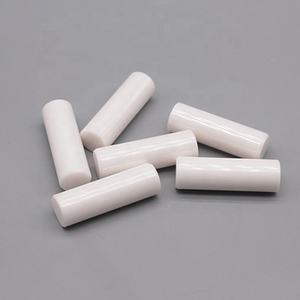
(Advanced Ceramic Coatings for Medical Implants Improve Wear Resistance of Joint Replacements)
Joint replacements often face friction inside the body. This can cause tiny particles to break off. Those particles may lead to inflammation or implant failure. The new ceramic coatings reduce this problem by creating a smoother, harder surface. That means less material wears away during normal movement.
Researchers developed these coatings using materials like zirconia and alumina. These ceramics are known for their strength and biocompatibility. They do not react badly with human tissue. Tests show implants with the coating lose far less material than those without it. In lab settings, coated implants lasted two to three times longer before showing signs of wear.
Hospitals and device makers are already testing these coatings in real-world applications. Early results from patient trials look promising. Doctors report fewer complications linked to implant wear. Patients also seem to recover faster and keep better mobility long term.
The U.S. Food and Drug Administration has cleared some versions of these coated implants for use. More approvals are expected as data continues to come in. Manufacturers say the process adds little cost but big benefits. It could help millions who rely on joint replacements each year.
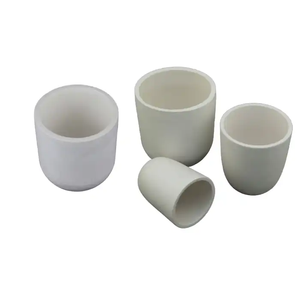
(Advanced Ceramic Coatings for Medical Implants Improve Wear Resistance of Joint Replacements)
This innovation builds on years of materials science research. It shows how small changes in surface design can make a big difference in medical outcomes. Surgeons now have another tool to help their patients stay active longer.