A new development in battery research is gaining attention with the use of boron nitride ceramic crucibles for vacuum distillation of high purity sulfur. These crucibles are made from a special type of ceramic that can handle extreme heat and stay stable in harsh conditions. Researchers need pure sulfur to test new battery materials, especially for lithium-sulfur batteries that promise higher energy storage.
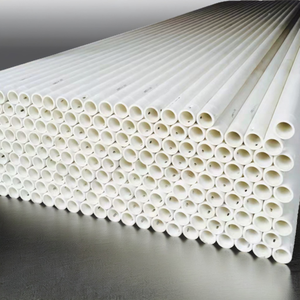
(Boron Nitride Ceramic Crucibles for Vacuum Distillation of High Purity Sulfur for Battery Research)
Traditional containers often react with sulfur or break down during the distillation process. Boron nitride does not react with sulfur, even at high temperatures. This means the sulfur stays clean and free from contamination. The vacuum distillation method removes impurities by heating sulfur in a sealed, low-pressure environment. Using boron nitride crucibles makes this process more reliable and efficient.
Scientists at several labs have started using these crucibles in their work. They report better results in purity and consistency. The material also lasts longer than other options, which cuts down on waste and cost over time. Boron nitride is known for its smooth surface and strong thermal resistance. These traits help control the distillation process with greater precision.
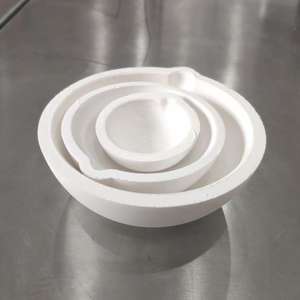
(Boron Nitride Ceramic Crucibles for Vacuum Distillation of High Purity Sulfur for Battery Research)
The demand for high purity sulfur is rising as battery technology advances. Companies working on next-generation energy storage see this as a key step. The use of boron nitride ceramic crucibles supports cleaner production methods and improves the quality of raw materials. This small but important tool could play a big role in making better batteries for electric vehicles and portable electronics.