1. The Invisible Architects of Concrete Stamina
Image a concrete slab as a large biscuit– difficult when pressed, yet smashing at the first bend. For years, designers propped it up with steel bars, yet a quieter change has actually settled: concrete fiber. These tiny hairs, better than a human hair, are transforming concrete from a breakable block into a resistant framework. From airport terminal runways that sustain limitless aircraft touchdowns to earthquake-proof buildings, concrete fiber acts as the invisible engineer, weaving toughness right into structures we depend upon day-to-day. It doesn’t simply spot splits; it quits them before they begin, changing concrete right into a product that assumes like nature’s most difficult rock.
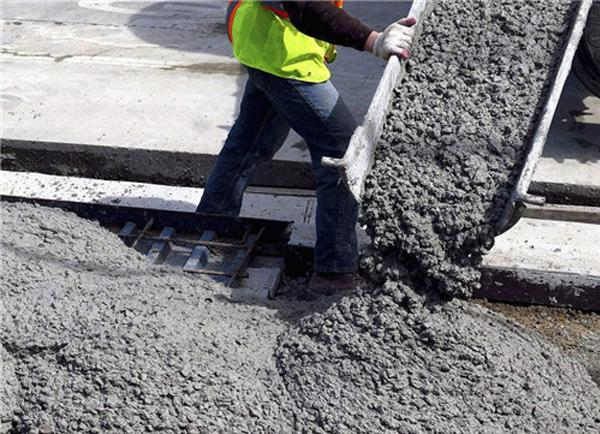
(Concrete Fiber)
What makes concrete fiber so transformative? Unlike large rebar, it spreads through concrete like a net, producing an internet of assistance. A single fiber seems trivial, however countless them form a distributed defense system. When stress and anxiety draws concrete apart, fibers stretch, bridge gaps, and share the lots– like thousands of little shock absorbers. This shifts concrete from “brittle failing” (ruining unexpectedly) to “ductile resistance” (flexing without damaging), a game-changer for jobs where dependability is non-negotiable.
2. Just How Concrete Fiber Quits Cracks Prior To They Beginning
At the heart of concrete fiber’s power is a straightforward goal: intercepting cracks at the mini level. When concrete dries or bears weight, small microcracks form– like hairline cracks in glass. Without support, these merge right into larger fractures, resulting in collapse. Concrete fiber interrupts this domino effect by functioning as a “molecular bridge.” When a fracture tries to widen, fibers spanning the gap obtain pulled taut, resisting splitting up. Think of it as embedding countless rubber bands in concrete: they stretch, soak up power, and keep the material intact.
Not all concrete fibers are alike. Steel fibers, for example, are the “muscle mass,” boosting tensile toughness to aid concrete resist drawing forces– excellent for durable floorings. Synthetic fibers made from polypropylene or nylon imitate “flexible ligaments,” managing shrinking fractures as concrete dries. Glass fibers offer rust resistance, best for damp environments like sewage storage tanks. Natural fibers, such as jute or coconut, bring green appeal however need treatment to stay clear of deteriorating. Each kind tailors concrete fiber to a particular difficulty.
Distribution is key. If concrete fibers clump, they produce weak points. Designers make improvements blending times, rates, and fiber size (typically 12– 60 mm– enough time to extend splits, short sufficient to mix efficiently) to guarantee also spread out. This transforms concrete from a monolithic block into a clever compound: it senses tension and responds by sharing the tons, like a group of tiny assistants working in sync.
3. Crafting Concrete Fiber Blends Art Meets Engineering
Making concrete fiber-reinforced concrete is component science, part craft. It begins with selecting the appropriate concrete fiber for the work. A freeway job might choose steel fibers for their brute strength, while a household patio could utilize artificial fibers to keep expenses reduced. When chosen, fibers are mixed right into the concrete slurry with treatment– as well quick, and they tangle; also sluggish, and they resolve. Modern plants utilize automated systems that keep track of blending speed and time, making certain each set has fibers evenly distributed.
The blending procedure itself is critical. Concrete’s base ingredients– cement, sand, aggregate, water– need to bond snugly with concrete fiber. Excessive water damages the mix, so suppliers adjust the water-cement proportion to maintain fibers from drifting or sinking. Some plants precoat fibers with a bonding representative, helping them grip the cement paste like Velcro. After mixing, samples are crushed to examine strength, and microscopic lens scan for clumps. Just sets that pass these checks reach building and construction sites.
Quality assurance doesn’t end there. On-site, workers vibrate the concrete to remove air pockets that can conceal concrete fibers, then cure it by maintaining it moist as it solidifies. Proper treating allows concrete completely moisten, developing a strong matrix around each fiber. This attention to detail turns a basic mix right into a material that outlives traditional concrete by years.
4. Concrete Fiber at work From Roads to Skyscrapers
Concrete fiber is anywhere, quietly strengthening the globe around us. In city infrastructure, it’s a lifeline for roads and bridges. Airport terminal paths, battered by jet engines, use steel fibers to reduce tiredness fractures– one significant flight terminal reported a 50% drop in upkeep after changing. Bridges, emphasized by temperature level swings, rely on concrete fiber to avoid splits, prolonging their life in rough climates.
Buildings lean on concrete fiber also. Storage facility floors, struck by forklifts, use synthetic fibers to prevent damaging. High-rise structures use steel fibers to withstand soil negotiation. In earthquake zones, concrete fiber-reinforced wall surfaces bend with seismic waves as opposed to falling apart, conserving lives. Also ornamental concrete, like park pathways, makes use of fibers to stay crack-free under foot web traffic.
( Concrete Fiber)
Water management is one more frontier. Dams and canals lined with concrete fiber stand up to seepage and freeze-thaw damages– critical in cool areas. Industrial containers keeping chemicals utilize glass fibers to combat deterioration. Specialized makes use of abound: passage cellular linings take care of ground pressure, overseas platforms make it through deep sea, and farming silos keep grain without fracturing. Concrete fiber isn’t simply an upgrade; it’s a need for contemporary longevity.
5. Past Strength The Surprise Benefits of Concrete Fiber
Concrete fiber does greater than increase toughness– it solves multiple issues at once. Typical concrete reduces as it dries, creating cracks. Concrete fiber imitates internal restrictions, cutting contraction by 30– 50%, suggesting fewer repair work for brand-new buildings.
Durability gets a lift as well. Concrete fiber resists freeze-thaw cycles (where water in splits broadens when iced up) and chemical attacks, like road salt. Research studies reveal concrete fiber exposed to deicing salts lasts two times as long as regular concrete. It likewise slows down warm penetration, boosting fire resistance and giving owners much more escape time.
Building and construction obtains easier. With concrete fiber, tasks need less steel rebar– no cutting, flexing, or tying bars. Formwork (concrete mold and mildews) can be eliminated sooner, speeding timelines. DIYers like it too: fiber-reinforced blends are much easier to put and form for patios or yard wall surfaces.
Eco-friendliness is arising. Some concrete fibers are made from recycled plastics or farm waste, drawing away trash from land fills. By making concrete stronger, fibers decrease the quantity of concrete needed– cutting carbon emissions, considering that concrete production creates 8% of global CO2. Small steps, large influence.
6. The Future of Concrete Fiber Smarter Stronger Sustainable
The future generation of concrete fiber is already here. Smart fibers embedded with sensors keep track of architectural wellness in actual time, signaling designers to stress and anxiety prior to fractures develop. These “living” concrete systems could turn structures right into self-diagnosing structures.
Sustainability drives innovation. Researchers are evaluating bamboo, hemp, and algae fibers– fast-growing, carbon-sequestering materials. Recycled steel fibers from old cars are getting grip, shutting source loopholes. Nanofibers, 100 times thinner than hair, guarantee steel-like toughness with foam-like agility.
3D printing is a frontier. Printers lay down concrete fiber in precise patterns, maximizing fiber orientation for particular stress and anxieties. This “printed architecture” creates complex forms– curved bridges, organic facades– as soon as difficult. Faster printers could soon make it possible for economical, personalized real estate with concrete fiber at its core.
Plan and need are pressing adoption. Federal governments update constructing codes to prefer long lasting products, and green accreditations reward concrete fiber use. Consumers desire framework that lasts, not roads loaded with pockets in five years. This shift makes sure concrete fiber will relocate from particular niche to standard.
Concrete fiber’s story is among quiet transformation. What began as a repair for splits has turned into an innovation redefining stamina, sturdiness, and sustainability. As cities increase and environment stress place, these little hairs will hold up the world– one fiber at once.
7. Vendor
Cabr-Concrete is a supplier under TRUNNANO of concrete fiber with over 12 years of experience in nano-building energy conservation and nanotechnology development. It accepts payment via Credit Card, T/T, West Union and Paypal. TRUNNANO will ship the goods to customers overseas through FedEx, DHL, by air, or by sea. If you are looking for concrete fiber , please feel free to contact us and send an inquiry.
All articles and pictures are from the Internet. If there are any copyright issues, please contact us in time to delete.
Inquiry us